Furniture Pick-Up in Finsbury Park
When bulky items start taking over a room, Furniture Pick-Up in Finsbury Park offers a practical way to clear space without the hassle of moving heavy pieces yourself. Whether you’re replacing a sofa, clearing a flat after a tenancy, making room for an office refit, or simply getting rid of a worn-out bed frame, a local collection service can save time, effort, and stress. In an area like Finsbury Park, where housing ranges from converted Victorian terraces and mansion blocks to newer apartment developments and busy commercial premises, furniture removal often needs a service that understands access issues, parking restrictions, and the realities of local streets.
Many local customers want a straightforward solution: someone to arrive on time, remove the items safely, and leave the space tidy. That is exactly what a furniture collection service is built to do. It helps residents, landlords, letting agents, offices, shops, and hospitality businesses dispose of unwanted items in a responsible way. Instead of dragging heavy wardrobes down narrow stairwells or figuring out how to fit a broken sofa into a car, you can arrange a pick-up and let experienced professionals do the lifting.
For anyone in and around Finsbury Park, this service is especially useful because every property and street can present different challenges. Top-floor flats, basement conversions, busy main roads, controlled parking zones, and limited lift access can all make furniture disposal more complicated than expected. A local team that knows the area can plan ahead, arrive prepared, and handle the work with less disruption to your day. If you need a quick and practical way to clear bulky furniture, a local pick-up service is one of the easiest options to arrange.
Why local furniture collection matters in Finsbury Park

Choosing a local service for furniture collection in Finsbury Park has clear advantages. First, it keeps the process efficient. A team familiar with the area understands the traffic flow around Seven Sisters Road, the residential side streets, and the busy routes near the station and park. That local knowledge matters when timing a collection around loading restrictions, school runs, commuters, or narrow access points.
Second, a nearby team can better support the mix of properties found here. Finsbury Park is home to Victorian and Edwardian homes, mansion flats, purpose-built apartment blocks, shared houses, retail units, and offices. Each setting comes with its own practical issue: tight hallways, stair-only access, shared entrances, or communal parking bays. Local furniture pick-up services are designed to work around those details rather than causing more inconvenience.
Third, local collection is often the most sensible choice for customers who want single-item removal or a small number of bulky pieces taken away without booking a full house clearance. If you only need a sofa, wardrobe, table, mattress, or desk removed, it is easier and more cost-effective to book a service that matches your actual needs. That makes furniture pick-up a useful option for residents who are moving, refurbishing, or simply decluttering one room at a time.
What we can collect

Furniture pick-up covers a wide range of household and business items. If it is large, awkward, and difficult to move safely on your own, it can usually be handled by a professional collection team. The service is particularly helpful for customers who need to dispose of items that are too heavy for standard waste collections or too bulky to fit into a car.
Common items include:
- Sofas and armchairs
- Dining tables and coffee tables
- Beds, bed frames, and mattresses
- Wardrobes and chests of drawers
- Office desks, chairs, and storage units
- Bookcases and shelving
- Cabinets and sideboards
- Reception furniture and waiting-area seating
- Retail display units and counters
- Mixed bulky household items
Some customers only need a single item taken away after a delivery of new furniture. Others are dealing with several pieces at once during a move, a renovation, or a property turnaround between tenants. In both cases, the aim is the same: remove the unwanted furniture safely, efficiently, and with minimal interruption to your home or business.
Important note: the condition of the furniture can affect how it is handled. Some items may be suitable for reuse or recycling depending on their condition, while damaged or heavily worn pieces may need to be processed differently. A good collection service will always manage this responsibly and with care.
How the service works

Booking a furniture pick-up in Finsbury Park should be simple. Most customers want a process that is quick to arrange and easy to understand. The usual steps are straightforward, whether you’re clearing a flat, emptying a room, or making a business premises ready for new furniture.
Here is how it typically works:
- Request a quote or assessment. Share details about the items you need removed, such as the type of furniture, the quantity, and any access concerns.
- Confirm the collection details. Agree a suitable time and explain anything that might affect the pick-up, such as stairs, narrow passages, or parking limitations.
- Prepare the items. If possible, move smaller objects off shelves or out of drawers, and make sure the furniture is accessible.
- Collection day. The team arrives, checks the items, and removes them carefully from your property or premises.
- Responsible handling. The furniture is then dealt with appropriately, which may involve reuse, recycling, or disposal depending on the item and its condition.
This approach is especially valuable for local residents who do not want to coordinate multiple trips to a disposal site or spend hours trying to dismantle and transport heavy items themselves. It also suits landlords and businesses that need a reliable turnaround between occupants or tenants. Less lifting, less planning, and less disruption often makes all the difference.
For many customers, the biggest benefit is peace of mind. Once the collection is booked, you know the bulky items are being dealt with by people who regularly manage furniture removals in urban neighbourhoods like Finsbury Park.
Furniture pick-up for homes, landlords, and businesses
Furniture removal is not just for households. In Finsbury Park, there is strong demand from a wide range of customers, and each group has different needs. A good local service is flexible enough to handle them all.
Homeowners and tenants often need one or two items removed after a furniture upgrade, a house move, or a spring clean. In flats and shared homes, bulky items can become a real obstacle because stairwells and hallways are often narrow. A professional pick-up helps avoid damage to walls, floors, and door frames.
Landlords and letting agents may need old furniture cleared between tenancies. End-of-tenancy turnarounds can be time-sensitive, and a fast collection helps prepare the property for cleaning, maintenance, or viewings. That is especially useful where there is a mixture of leftover furniture, broken pieces, and items that were left behind by former occupants.
Offices, shops, cafés, and other local businesses may need desks, chairs, shelving, storage units, counters, or waiting-area furniture removed during refits or relocations. In commercial settings, timing matters. Collections often need to be planned around trading hours, deliveries, or site access, so a service that can work efficiently is a real asset.
Property managers and builders may also need occasional pick-ups after refurbishments. Outdated furniture can get in the way of renovation work, and removing it early helps keep the project moving.
Local access and parking: why preparation matters

One of the most common reasons people look for furniture pick-up in Finsbury Park is the difficulty of moving bulky items without help. The area has a mix of residential streets, busier roads, and estates where parking is limited or controlled. That can make even a simple collection more complicated if it has not been planned properly.
Here are a few access factors that can affect furniture collection locally:
- Controlled parking zones and time-restricted bays
- Shared entrances and communal hallways
- Top-floor flats with no lift access
- Narrow staircases or tight corners
- Back-garden access that may be limited or uneven
- Busy roads where stopping must be done carefully
- Loading arrangements for commercial premises
Preparing for these issues in advance helps the collection go smoothly. If a collection team knows in advance that the furniture is on an upper floor, or that parking is limited, they can arrive with the right equipment and allow enough time to complete the job properly. Good planning reduces delays and avoids unnecessary stress on the day.
Customers can also help by checking whether items need to be dismantled before collection. In some cases, large wardrobes or bed frames can be taken apart to make removal easier, but it is not always necessary. A practical service will be able to advise what needs to be done before the pick-up.
What is included in a furniture pick-up service?
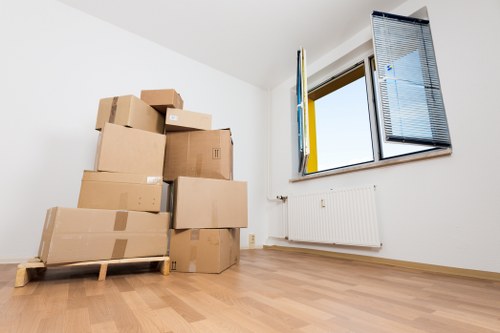
Although exact arrangements may vary, most furniture collection services are designed to handle the full removal process with minimal effort from the customer. That means you are not just booking transport; you are booking the lifting, carrying, loading, and clearing of unwanted items from your property.
Typically, the service may include:
- Collection of agreed furniture items from inside or outside the property
- Heavy lifting and safe manual handling
- Removal from upstairs rooms, basements, garages, or outbuildings where accessible
- Careful navigation through hallways, staircases, and entrances
- Loading and transport away from the site
- Responsible sorting for reuse, recycling, or disposal where appropriate
- Basic tidying up after the collection is complete
For customers, that means less physical strain and less disruption. You do not need to worry about hiring a van, borrowing tools, or asking friends to help carry a sofa down several flights of stairs. A professional pick-up can make a difficult task feel surprisingly manageable.
It is also worth noting that not every collection is the same. A single easy-access item can be very quick to remove, while a larger collection from an upper-floor flat may need more time and planning. Being clear about the situation beforehand helps ensure a smoother service.
Preparing for collection day
A little preparation can make a big difference on the day of your furniture pick-up. You do not need to do heavy lifting yourself, but there are some simple steps that help the job run more efficiently and protect your home or workplace from avoidable disruption.
Before collection, it is useful to:
- Clear smaller items off the furniture if possible
- Remove personal belongings from drawers, shelves, or compartments
- Make sure the items are easy to reach
- Check whether parking or access instructions need to be shared
- Tell the team about stairs, lifts, narrow doors, or shared access routes
- Keep pets and children away from the working area during collection
- Protect surfaces or floors if you are concerned about marks in busy areas
If you are a landlord or agent, it can also help to confirm whether the furniture is inside a vacant flat, in a communal area, or left in a garden or storage space. The more clearly the items are described, the easier it is to plan the pick-up.
For businesses, it is often best to schedule the collection outside of the busiest trading periods if possible. That helps minimise disruption for staff and customers. In a busy local area like Finsbury Park, good timing is often as important as the removal itself.
Pricing factors: what affects the cost?
Customers often ask what influences the price of furniture pick-up. While exact quotes depend on the job, there are several common factors that usually determine the overall cost. Understanding these can help you request a more accurate estimate and avoid surprises.
Typical pricing factors include:
- The number of items to be removed
- The size and weight of the furniture
- Access conditions such as stairs, lifts, and parking
- How much labour is required for carrying and loading
- Location within the property where the items are stored
- Whether dismantling is needed before removal
- Timing and urgency of the booking
For example, a single sofa on the ground floor with easy street access will generally be simpler than a full bedroom set in a top-floor flat with no lift. Similarly, removing office furniture from a commercial unit with loading access is usually different from clearing bulky items from a narrow stairwell in a converted house.
Requesting a clear quote in advance is the best way to understand what the service will involve. Good providers will usually ask for enough detail to give an accurate estimate based on the actual job, rather than making assumptions.
Why choose a local company in Finsbury Park?
There are many reasons local customers prefer a nearby team for furniture collection. A local company is usually better placed to understand the day-to-day realities of the area and to respond with practical solutions. That can make a noticeable difference, especially when time is limited or the property layout is awkward.
Some of the biggest benefits include:
- Better familiarity with local roads and access challenges
- More practical planning for parking and loading
- Faster scheduling in nearby neighbourhoods
- Experience with the property types common in Finsbury Park
- Convenient support for both residential and commercial customers
- A more personal, local service approach
It is also reassuring to work with a team that understands the kind of jobs local people actually need. That includes one-off pick-ups for tenants, regular support for landlords, and occasional collections for businesses during refurbishments or relocations.
In a busy area where every street can be different, local know-how is often just as important as manpower. It helps the service run on time, limits disruption, and makes the whole experience much easier for the customer.
Areas covered around Finsbury Park
Furniture pick-up services in Finsbury Park often support customers across the surrounding neighbourhoods as well. Because the area sits near several busy and well-connected parts of North London, it is common for collections to extend into nearby residential and commercial districts.
Local coverage may include, depending on the provider and job details, areas such as:
- Finsbury Park itself
- Stroud Green
- Harringay
- Archway
- Islington
- Upper Holloway
- Manor House
- Parts of neighbouring North London streets and estates
This wider local coverage is useful for people who are moving between nearby areas, fitting out a new office, or clearing multiple properties in a similar part of town. It also helps landlords and agents manage several addresses without having to book separate services from far away.
If you are unsure whether your property falls within the normal service area, it is best to request a quote and provide the full collection details. That way, the team can confirm whether the job is suitable and what the best approach would be.
When furniture pick-up is the right choice
Not every clearance job needs a full van load. Sometimes, furniture pick-up is the simplest option because the job is specific and straightforward. It may be the right solution if you are:
- Replacing old furniture after a home upgrade
- Clearing out after a tenancy ends
- Preparing a property for sale or letting
- Refurbishing an office or shop
- Dealing with an unwanted delivery item
- Removing damaged or unusable pieces
- Creating more space in a flat or shared house
It is particularly useful when items are too large for ordinary waste bins or too heavy for you to move alone. It also works well when a customer wants the job handled quickly with minimal fuss. Instead of leaving furniture in a hallway or garden and hoping to deal with it later, you can arrange a proper collection and have it sorted in one visit.
For many local customers, that convenience is the main reason to book. The service fits around busy work schedules, family commitments, and the practical limitations of living in a dense urban neighbourhood.