Health and Safety Policy for Removal Van Services
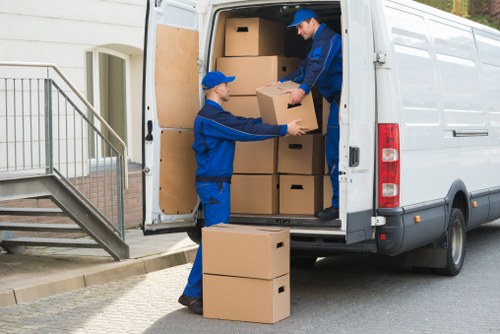 Health and safety is central to every successful removal van operation, from the first item loaded to the final placement at the destination. A well-managed policy helps reduce risk to staff, customers, property, and the public. For a removal van service, this means planning every stage carefully, using suitable equipment, and making sure everyone understands their responsibilities. Whether the work involves a small flat move or a larger domestic relocation, safe practices must remain consistent and practical.
Policy Statement
The aim of this policy is to maintain a safe, organised, and professional working environment during all removal van activities. We are committed to preventing injury and damage by identifying hazards in advance and applying sensible controls. This approach covers loading, unloading, lifting, carrying, securing loads, driving, and working near homes, roads, and shared access areas. It also supports compliance with relevant health and safety duties while keeping standards straightforward and effective.
Core Responsibilities
Everyone involved in a van removals job has a role in safety. Managers must ensure that vehicles, equipment, and procedures are fit for purpose. Staff must follow instructions, use protective equipment where required, and report problems quickly. Customers should be informed about any risks that may affect access or handling. By sharing responsibility, a removal van company can reduce avoidable incidents and keep operations running smoothly.
 Risk assessment is carried out before each move. Common hazards include heavy lifting, awkward furniture, slippery surfaces, poor lighting, restricted stairways, and unstable parking arrangements. Vehicle-related risks such as reversing, overloading, unsecured cargo, and road traffic conditions are also considered. Each job is reviewed so that the right controls can be applied, including route planning, load balancing, team coordination, and the use of trolleys, blankets, straps, and gloves.
Safe Working Practices
Safe manual handling is one of the most important parts of a removal van policy. Staff should assess the weight, shape, and stability of each item before lifting. Where possible, two-person lifts, mechanical aids, and staggered movement should be used. Employees should keep a stable stance, avoid twisting, and take breaks when required. If an item is too heavy or awkward, the task should be paused and reassigned rather than forced. Good technique helps prevent strains and long-term injury.
Vehicle and Load Safety
Every removal van must be checked before use to confirm that tyres, lights, brakes, mirrors, fuel levels, and safety equipment are in good condition. Loads should be distributed evenly and secured to prevent shifting during transit. Fragile or sharp items need extra protection. Drivers should avoid distractions, follow speed limits, and make allowances for the size and weight of the vehicle. Parking should be chosen carefully so that loading and unloading can be completed without creating unnecessary danger for pedestrians or other road users.
 Personal protective equipment is used according to task requirements. This may include gloves, safety footwear, high-visibility clothing, and back-support guidance where appropriate. Equipment should be clean, suitable, and worn correctly. In addition, staff must be briefed on emergency arrangements, including what to do in case of an accident, vehicle breakdown, property damage, fire, or sudden illness. Clear communication is essential, especially when work involves multiple people or time-sensitive schedules.
Training and Competence
A reliable van removals service depends on trained and competent staff. Training should cover manual handling, load security, safe driving, hazard awareness, and the correct use of moving equipment. Refresher sessions help reinforce good habits and address changing risks. Supervisors should monitor performance and correct unsafe behaviour promptly. Where new starters are involved, they should be supervised until they can complete tasks confidently and safely. Training records should be maintained as evidence of ongoing competence.
Incident Reporting and Review
Any accident, near miss, injury, or property damage related to a removal van service must be reported as soon as possible. Reports should explain what happened, why it happened, and how recurrence can be prevented. Reviews are used to improve procedures, update risk controls, and strengthen overall safety performance. Lessons learned from one move should inform future jobs, creating a culture of continuous improvement rather than repetition of avoidable mistakes.
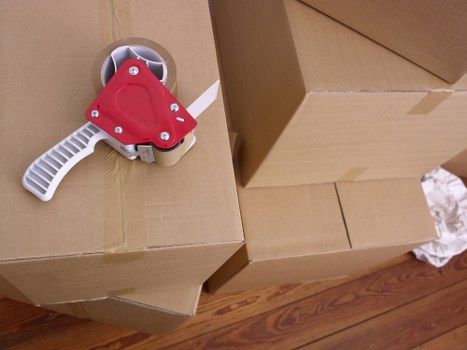 Housekeeping also plays an important role in keeping a removal van operation safe. Walkways, vehicle interiors, and loading areas should be kept clear of loose materials, packaging, and tools. Spills should be cleaned immediately to prevent slips. Items must not be left where they could fall, block access, or interfere with emergency exits. Good organisation reduces confusion, speeds up work, and protects both staff and property during busy moving days.
Customer and Public Safety
Safety measures must extend beyond the team itself. Customers, neighbours, and passers-by can be affected by moving activity, so care should be taken to manage doors, corridors, stairs, and shared entrances responsibly. Vehicles should not obstruct safe access routes, and loading should be kept orderly. Staff should communicate clearly if an area needs to remain clear or if a delay is required for safety reasons. A removal van company should always balance efficiency with caution.
Policy Monitoring
This health and safety policy is reviewed regularly to ensure it remains suitable and effective. Changes in equipment, working methods, or legal expectations are considered during each review. Management is responsible for making improvements where needed, while staff are encouraged to raise concerns and suggest safer ways of working. Through consistent attention to detail, a removal van service can protect people, minimise disruption, and maintain a dependable standard of work.
 In conclusion, the health and safety policy for removal van services sets out a clear commitment to safe handling, secure transport, competent driving, and careful teamwork. By following practical controls and maintaining awareness at every stage, a van removals business can deliver reliable service while keeping risks under control. Safety is not an extra step; it is part of the job itself.